


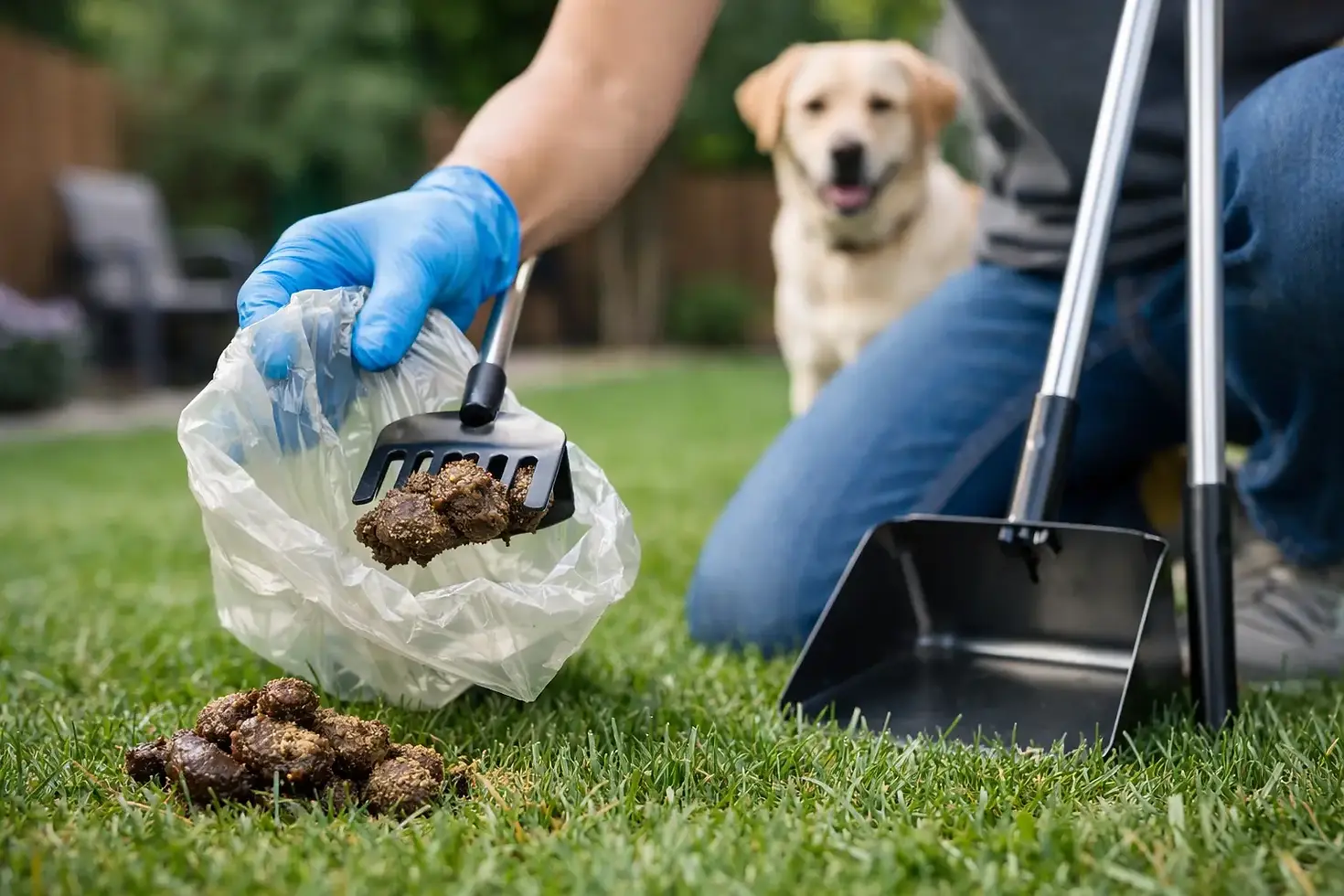
How to Clean Backyard Dog Waste Fast

Step in one surprise land mine before your morning coffee, and suddenly backyard cleanup becomes very personal. If you're wondering how to clean backyard dog waste without turning it into a whole production, the good news is this: it does not need to be a grim weekend ritual involving three bags, one gag reflex, and a lot of regret.
A cleaner yard comes down to two things - removing waste quickly and using a method you will actually keep up with. Miss either one, and your lawn starts losing the fight. Smells build, flies show up, grass gets burned, and the whole yard starts feeling less like a place to relax and more like a minefield with patio furniture.
How to clean backyard dog waste without hating it
The biggest mistake most dog owners make is waiting too long. A single pile is annoying. Several days' worth is a campaign. Fresh waste is easier to pick up, less likely to smear, and far less offensive than anything that has been sitting in the sun getting ideas.
That means the best cleanup plan is usually simple: do a quick pass daily or every other day rather than saving it all for one massive, soul-testing session. If you have one small dog and a big yard, you can stretch that a bit. If you have multiple dogs, warm weather, or kids running around outside, you want a tighter schedule.
Your tool matters too. Bags work, but they are slow and fussy for yard patrol. Traditional scoopers can handle volume, but some are bulky, awkward to store, and not exactly fun to use. A one-motion pickup tool can speed things up because you spend less time crouching, pinching, and negotiating with gravity. This is where novelty earns its keep. If a tool makes the job faster and slightly less miserable, you are more likely to use it before the situation becomes a backyard crime scene.
Start with the right cleanup setup
You do not need a hazmat trailer parked by the fence, but you do need a basic system. Keep your waste tool in one outdoor spot that is easy to grab. Near the back door, garage, or patio works best. If you make yourself hunt for supplies every time, cleanup gets postponed. Postponed cleanup becomes old poop. Old poop becomes a whole mood.
A good setup usually includes a pickup tool, a designated disposal container or bag, and a hose nearby for occasional rinsing. Gloves are optional if your tool keeps enough distance between you and the situation. If your yard has a known "hot zone" where your dog prefers to go, start there first. Dogs are creatures of habit, and so is the mess they leave behind.
If you have a large yard, it helps to mentally break it into sections. Clean the usual spots daily, then do a wider pass once or twice a week. That keeps the problem manageable without turning every outdoor trip into a full inspection tour.
Pick a method that matches your yard
Different backyards call for different cleanup styles. Dry, open grass is easier than muddy corners, gravel runs, or sloped areas where things can roll into places no one wants to visit. If your lawn is thick and healthy, pickup tends to be cleaner. If your yard is patchy, wet, or full of leaves, waste can hide and smear more easily.
That is why "best method" depends on the surface. Bags can be fine for a patio corner or very small area. A scooper may make sense for bigger accumulation. A flick-style tool is especially handy in open yard spaces where speed matters and you want to keep your distance. The less bending, fiddling, and bag wrestling involved, the better your odds of staying consistent.
The fastest routine for regular pickup
For most dog owners, the fastest routine is a short daily sweep. Take five minutes, walk the usual route, remove what is there, dispose of it, and move on with your life. No ceremony. No dramatic soundtrack. Just yard maintenance with fewer emotional consequences than stepping in it later.
Morning and early evening are usually the easiest times. The light is better, the grass is less blindingly bright, and you are more likely to fold it into an existing routine like letting the dog out or checking the grill. If you wait until midday in summer, you are dealing with heat, odor, and a stronger urge to pretend the problem belongs to someone else.
For multi-dog homes, once a day is ideal. For one dog, every other day can work if your yard is large and you stay on top of it. Weekly cleanup is possible, but it is rarely pleasant, and it increases the chance of smearing, bugs, and lawn damage. Cheap convenience often costs you later.
What to do with the waste after pickup
This part is less glamorous, which is really saying something for a poop article. In most areas, dog waste should go in the trash unless you have a local pet waste disposal system or approved method. Tossing it into the woods behind the fence is not a clever shortcut. It does not disappear. It just becomes somebody else's gross surprise.
A lined outdoor trash can with a lid helps keep odor down. If heat is a problem, empty it regularly and rinse it now and then. If your nose says the can has become sentient, it is time.
How to deal with old, soft, or ugly messes
Not every pickup is clean and heroic. Sometimes you find a pile that has been out there for days. Sometimes the weather gets involved. Rain, heat, and mowing accidents can all turn a simple task into abstract expressionism.
For older waste, the first move is still removal of as much solid material as possible. After that, rinse only if needed. Too much water can spread the mess into the soil or grass. If the area still looks rough, let it dry a bit and come back. Trying to force a perfect cleanup in one pass often makes a bigger mess.
Soft stool is its own category of nonsense. If your dog is dealing with digestive issues, cleanup gets harder fast. In that case, a tool that lets you lift and relocate with minimal contact can save your patience. It also helps to address the root cause with your vet if soft stool is happening often. Better input, better output. Nature is cruelly efficient that way.
Keep odor and lawn damage under control
Dog waste is not fertilizer. That myth needs to retire. Left sitting, it can burn grass, attract insects, and create nasty smells, especially in hot, humid weather. Fast removal is your best defense.
If a spot on the lawn keeps getting hit, rotate your dog's bathroom area if possible. Some owners train dogs to use one section of the yard, which makes cleanup easier but can concentrate damage. Others prefer a wider range, which spreads out wear but makes patrol a little longer. Pick your poison, preferably before it picks your lawn.
If odor lingers after pickup, the issue may be buildup rather than the latest deposit. Regular removal solves most of that. Deep smells usually show up when waste has been allowed to hang around too long or when runoff has pushed residue into one area.
When your current system is failing
If cleanup keeps getting skipped, your method is probably too annoying. That sounds obvious, but it matters. Most people do not need more discipline. They need less friction.
A cleanup routine fails when the bags are inconvenient, the scooper is awkward, or the whole process feels like a punishment for owning a dog. The answer is not to become a different person. The answer is to make the task easier for the person you already are.
That might mean switching tools, moving your supplies closer to the door, cleaning more often so each round is shorter, or using something with a little more personality than the standard sad plastic setup. There is a reason products like Poo Flicker exist. If a tool turns a tedious chore into one quick motion and maybe even a story worth telling, that is not silly. That is good design.
A cleaner yard beats a perfect system
You do not need a flawless poop strategy. You need one that works on Tuesday when you are tired, distracted, and not in the mood for backyard surprises. That usually means a fast tool, a simple route, and the good sense not to let waste age like fine wine.
Clean it early, clean it often enough, and keep your setup stupid simple. Your grass will look better, your yard will smell better, and your shoes will have a much less eventful season. That is not glamorous, but it is deeply satisfying.


Comments